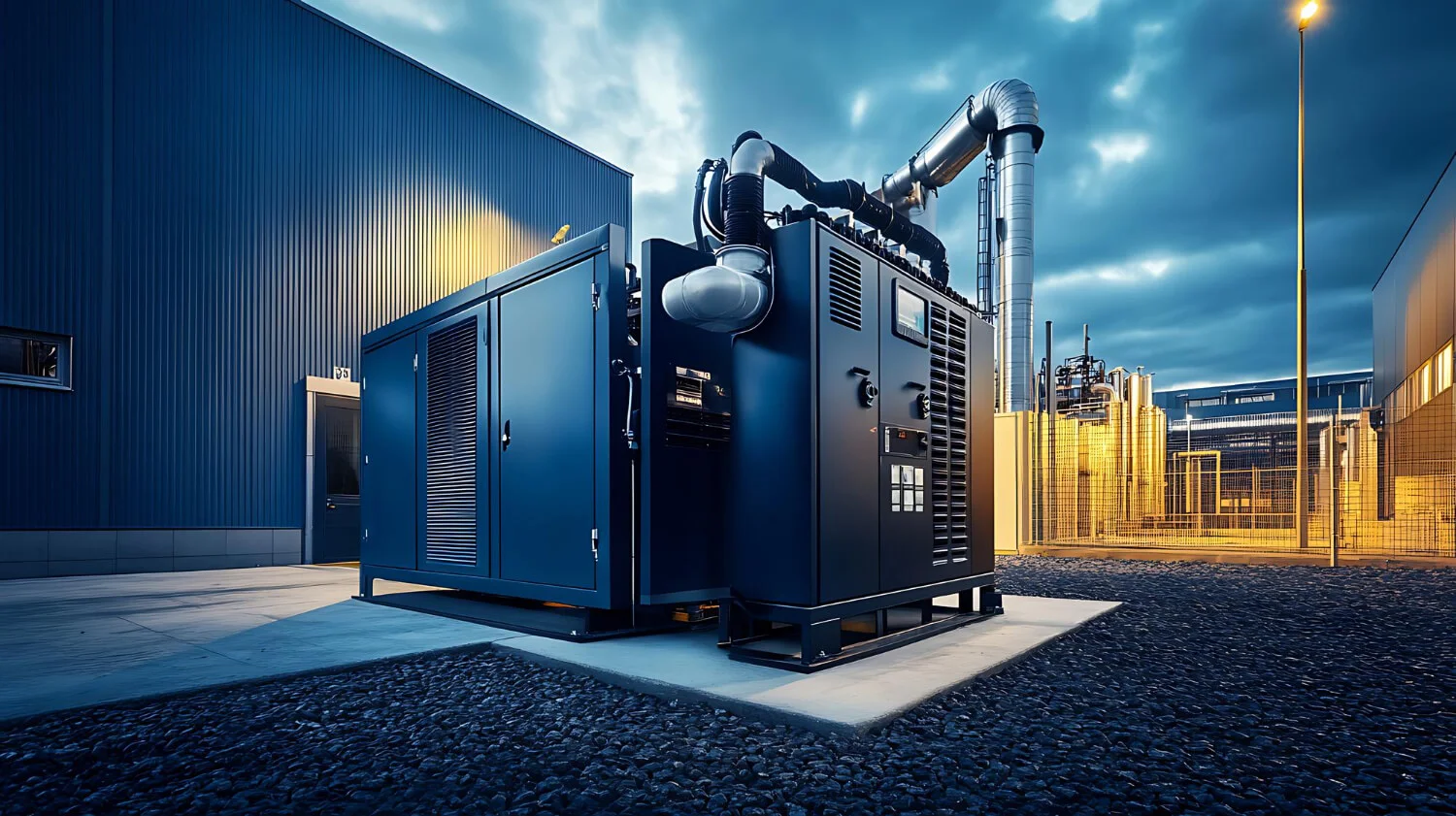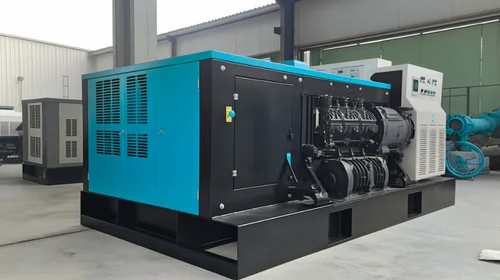
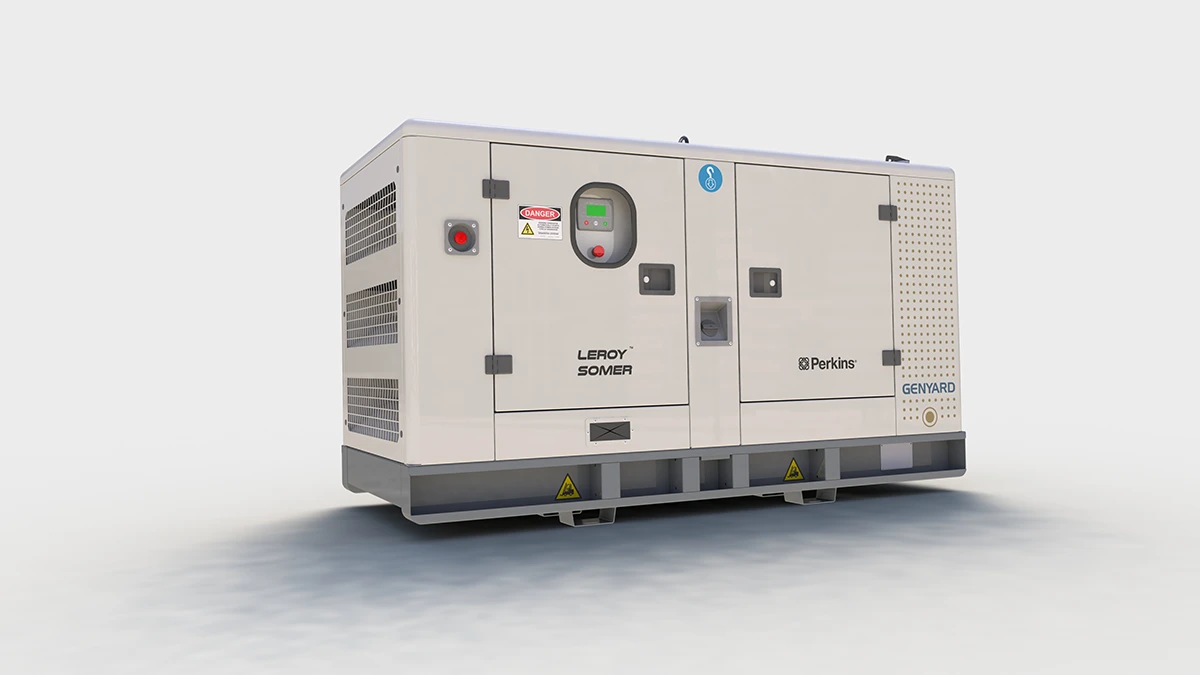
If you have ever stood next to a Zone 2 classified diesel generator on a UAE construction site in July, you already understand the challenge. Ambient temperatures exceeding 50°C, fine silica-laden dust, and coastal conditions humidity are not theoretical stressors; they are daily operational realities. We have seen generators that were correctly specified and professionally installed fail within 18 months simply because the maintenance plan was created for a European climate rather than the Arabian Gulf.
This guide is built from hands-on field experience across industrial sites in Dubai, Abu Dhabi, and Sharjah. It is intended for facility managers, electrical engineers, and procurement teams who need a defensible, field-tested maintenance framework for their Zone 2 equipment, not a manufacturer’s checklist rephrased.
What Makes Zone 2 Generator Maintenance Different from Standard Servicing?
Zone 2 hazardous area generators are engineered to prevent ignition of flammable atmospheres, and every maintenance intervention must preserve that protection. Unlike standard backup generators, these units carry ATEX or IECEx certifications that can be voided by improper servicing, unauthorised component substitution, or environmental degradation that goes unchecked.
The UAE adds three layers of complexity that most manufacturers underestimate:
• Thermal stress: Consistent ambient temperatures of 45–52°C push cooling systems beyond their rated thresholds, accelerating oil degradation and bearing wear.
• Dust ingress: Desert shamal winds carry fine particulate matter that penetrates enclosures rated to IP55 and above if seals are not regularly inspected.
• Humidity cycling: Coastal sites experience dramatic relative humidity swings between day and night, promoting condensation inside enclosures and terminal boxes, a serious ignition risk in a Zone 2 environment.
Working with a qualified zone 2 diesel generator supplier uae means your unit should arrive pre-configured for Gulf conditions, but the ongoing maintenance burden remains yours to manage.
Cooling System Maintenance: The Most Overlooked Failure Point
Cooling system failure is the single most common cause of premature generator shutdown across UAE industrial sites. Most teams check coolant levels and move on. That is not enough.
Radiator and Airflow Management
Desert dust creates a fibrous crust on radiator fins within days of cleaning, not weeks. In our experience, the standard monthly radiator cleaning schedule recommended by most OEMs assumes a temperate environment. In the UAE, radiator fins should be inspected every 7–10 days and cleaned with low-pressure, dry compressed air, never high-pressure water, which can force debris further into the core or compromise sealed enclosure integrity.
• Check the anti-vibration mounts on the radiator fan assembly every service interval. UAE temperature cycles fatigue rubber mounts significantly faster.
• Verify that the coolant concentration is appropriate for high-ambient conditions; a 50/50 ethylene glycol-to-water ratio raises the boiling point and provides corrosion inhibition.
• Inspect all coolant hoses for surface cracking caused by UV exposure, even on enclosed units where sunlight enters through ventilation louvres.
Thermostat and Temperature Sensor Calibration
Thermostats can drift over time, particularly when the delta between ambient and operating temperatures is as compressed as it is in the Gulf summer. A thermostat calibrated to open at 85°C in a 20°C ambient environment will behave differently when the coolant is starting from 48°C. Calibrate thermostats annually at a minimum, and replace them as a precautionary measure every three years regardless of apparent function.
Lubrication Strategy for Extreme Heat Environments
Standard mineral-based engine oils reach the upper limit of their viscosity stability in sustained high-ambient conditions. For Zone 2 diesel generators operating in the UAE, we recommend transitioning to a full-synthetic or semi-synthetic engine oil rated to at least SAE 15W-40 with a high Total Base Number (TBN) to neutralise acid buildup from extended thermal stress.
Oil Change Intervals
The default OEM oil change interval, typically 250 or 500 operating hours, is a conservative figure that still assumes temperate baseline conditions. In the UAE:
• Reduce oil change intervals by 20–30% during summer months (May through September).
• Pull oil analysis samples at every service, not just annual intervals. A laboratory spectrometric oil analysis will detect early bearing wear, coolant contamination, and fuel dilution before they become catastrophic failures.
• Pay particular attention to oil oxidation markers in the analysis report — Gulf heat dramatically accelerates oxidation, which thickens oil and impairs flow at cold start.
One insight rarely discussed in standard maintenance literature: switching to a higher-viscosity oil grade in summer is not always the right call. If your generator operates at lower loads for extended periods, common on standby units, a heavier oil can actually increase fuel consumption and cylinder wear. Consult your engine manufacturer’s data, not just ambient temperature charts.
ATEX and IECEx Integrity Checks: Protecting Zone 2 Certification
This is where UAE generator maintenance diverges most sharply from general industrial practice. Every maintenance action on a Zone 2 unit must be documented, and the unit’s explosion protection integrity must be verified before it is returned to service.
Enclosure and Seal Inspection
• Flamepath surfaces: Inspect all flanged joints and spindle flamepaths for corrosion, impact damage, or surface contamination. Even minor pitting can compromise the gap tolerances required for Ex d enclosures.
• Cable gland integrity: UV degradation and thermal cycling cause cable gland seals to harden and crack. Test gland integrity during every scheduled service, and replace glands that fail a torque retention check.
• Conduit sealing: In coastal UAE locations, conduit seals can absorb moisture over time. Re-seal any conduit entries showing evidence of moisture ingress.
• Earthing continuity: Verify earthing continuity across all bonding points with a calibrated low-resistance ohmmeter. Gulf soil resistivity varies significantly, and a degraded earth bond is a serious risk in a classified zone.
Documentation and Compliance Records
Under UAE regulatory frameworks aligned with IEC 60079 standards, maintenance on Zone 2 equipment must be carried out by competent persons with demonstrable hazardous area training. Maintain a maintenance log that records the name and qualifications of each technician, the tasks performed, any components replaced with their certification references, and the post-maintenance inspection results. This is not administrative overhead; it is your legal protection if an incident investigation occurs.
Fuel System Management in Dusty, High-Temperature Conditions
Diesel fuel quality degrades faster in the UAE than in cooler climates. High ambient temperatures accelerate microbial growth in fuel tanks, particularly in units that sit on standby for extended periods. Water contamination from condensation, more pronounced in coastal locations, creates the ideal environment for diesel bug (Hormoconis resinae) colonisation.
Fuel Polishing and Tank Management
• Install a fuel polishing system on any generator with a tank capacity above 500 litres that is used in standby mode.
• Sample fuel from the tank base, not the fill point, every 90 days, and test for water content, microbial contamination, and fuel sediment.
• Apply an approved biocide treatment at every full tank service, following the dosage recommendations for high-temperature environments.
• Inspect fuel filter elements monthly rather than at the standard hourly interval, as desert dust contamination of fuel during deliveries is common.
When you need to source replacement units or expand your fleet, choosing a top diesel generator manufacturing company in UAE makes a massive difference. Because they stock fuel system components locally, you can drastically cut down on parts lead times during an unexpected breakdown.
The Maintenance Myth That Costs UAE Operators the Most
Here is a perspective that contradicts most generic maintenance guides: running a Zone 2 diesel generator under load regularly is more important than any consumable replacement schedule. We consistently see standby generators on UAE sites that are exercised at less than 30% load for their weekly test runs, enough to confirm the engine starts, but not enough to prevent wet stacking.
Wet stacking occurs when unburned fuel and carbon deposits accumulate in the exhaust system due to sustained low-load operation. In Zone 2 environments, this is a double hazard: it impairs generator performance. It creates combustible deposits in the exhaust path that are difficult to remove safely without taking the unit out of its classified zone. Exercise your generator at 70–80% of rated load for at least 30 minutes per week. If your site cannot generate sufficient load during the test, rent a load bank; it is far cheaper than an unplanned engine rebuild.
Building a Sustainable Maintenance Framework
Maintaining Zone 2 diesel generators in the UAE is not a task that scales well with informal processes. The environmental stresses are real, the regulatory stakes are high, and the consequences of a failure in a hazardous area classification are severe.
A sustainable framework combines three elements: a manufacturer-aligned but UAE-adapted service schedule, a competent technical team with current hazardous area certifications, and a relationship with a supplier who understands local conditions and can support rapid parts procurement when needed.
We work with operators across Abu Dhabi, Dubai, and the Northern Emirates who treat their Zone 2 equipment as the mission-critical asset it is. The investment in rigorous, climate-aware maintenance is not an overhead cost; it is the most direct route to maximum operational uptime and regulatory compliance, year after year.