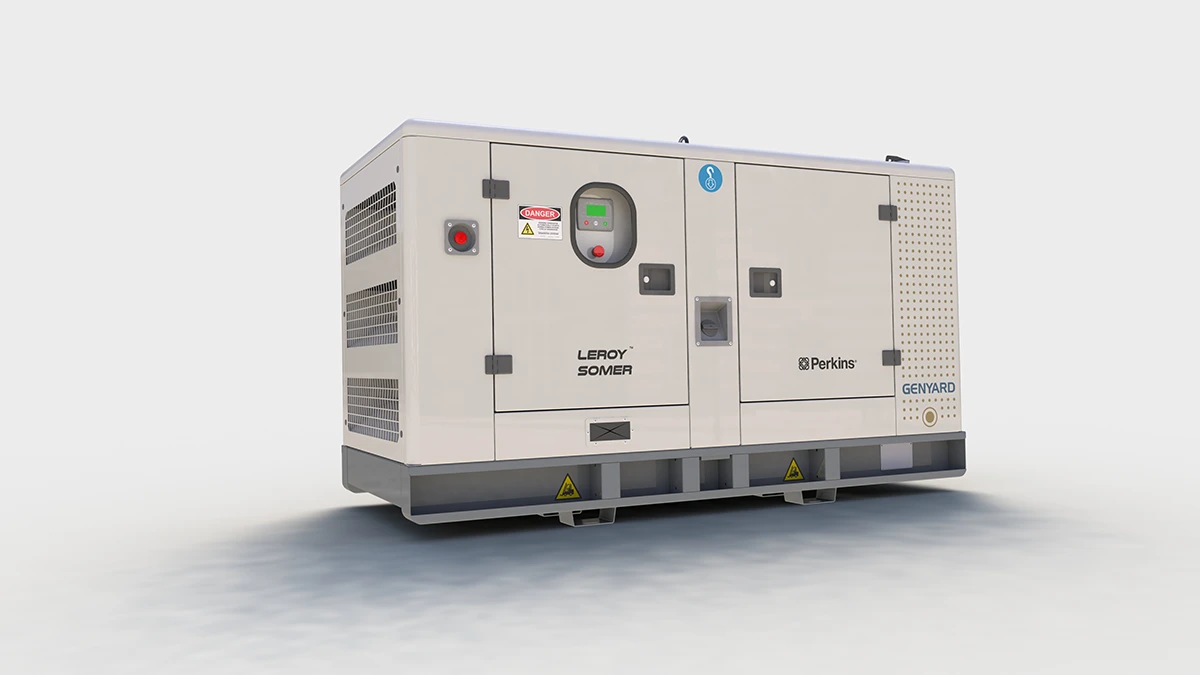
Power failure is not just an inconvenience for businesses. It can stop operations, damage equipment, delay projects, and create major financial losses. This is why many industries depend on diesel generators for backup and continuous power. However, buying a generator without proper sizing is one of the biggest mistakes businesses make.
Some companies choose generators that are too small and face overload issues. Others invest in oversized generators and waste money on fuel and maintenance. Proper diesel generator sizing helps businesses avoid these problems and ensures stable, efficient, and cost-effective power generation.
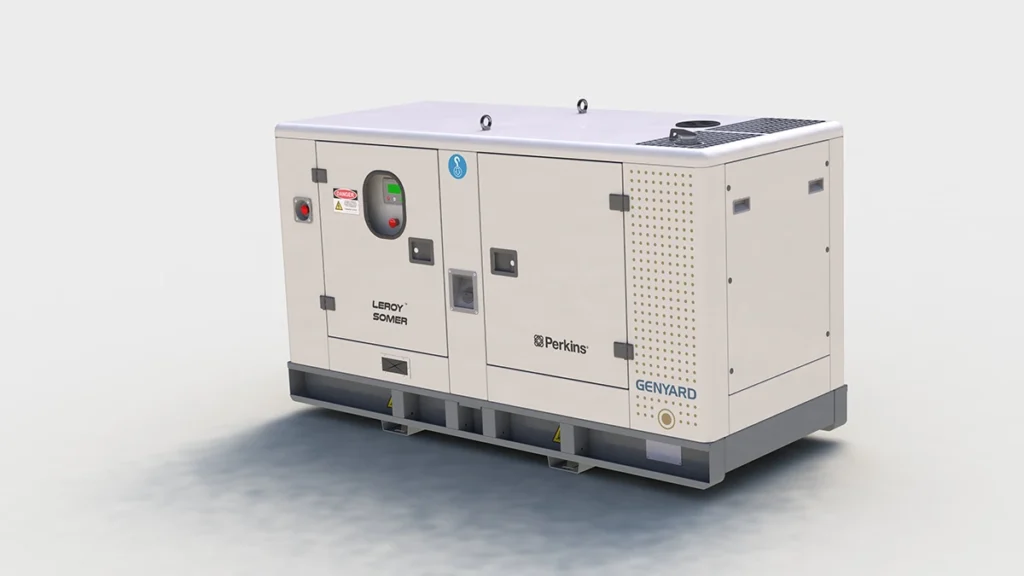
At Genyard Energy, we work with industrial, commercial, telecom, healthcare, and construction projects that require reliable generator solutions. In this guide, we explain how diesel generator sizing works, why it matters, and how businesses can choose the correct generator capacity for their operations.
What is Diesel Generator Sizing?
Diesel generator sizing is the process of calculating the correct generator capacity required to support electrical loads safely and efficiently.
The generator must provide enough power to operate all connected equipment without overload. At the same time, it should not be excessively large because oversized generators increase operational costs and reduce efficiency.
Generator capacity is usually measured in:
- kW (Kilowatts) – Actual power used by equipment
- kVA (Kilovolt-Amperes) – Apparent power supplied by the generator
Proper diesel generator sizing ensures:
- Stable power supply
- Fuel efficiency
- Long generator lifespan
- Safe operation
- Reduced maintenance costs
Why Diesel Generator Sizing is Important
Many businesses focus only on generator price when making purchasing decisions. In reality, generator sizing is far more important than simply selecting a low-cost option.
Prevents Generator Overloading
If the generator capacity is too small, it may struggle to handle the electrical load. This can lead to:
- Overheating
- Voltage fluctuations
- Frequent shutdowns
- Equipment damage
Overloading also shortens generator lifespan.
Improves Fuel Efficiency
Oversized generators consume more fuel than necessary. Generators perform best when operating within the recommended load range.
Proper diesel generator sizing helps reduce fuel consumption and operational costs.
Protects Sensitive Equipment
Hospitals, telecom systems, manufacturing facilities, and data centers use sensitive equipment that requires stable voltage and frequency.
Correct generator sizing helps maintain consistent power quality.
Reduces Maintenance Costs
An improperly sized generator experiences higher stress levels and mechanical wear. Correct sizing helps reduce maintenance requirements and improves long-term reliability.
Supports Future Expansion
Professional generator sizing considers future load growth. Businesses can expand operations without replacing the entire generator system.
How Diesel Generator Sizing Works
Generator sizing involves technical calculations based on electrical load requirements.
Below are the key steps used during generator sizing.
Step 1: Identify All Electrical Loads
The first step is identifying all equipment connected to the generator.
This may include:
- Air conditioning systems
- Lighting systems
- Industrial machines
- Water pumps
- Elevators
- Telecom equipment
- Servers and data systems
- Medical equipment
Each device consumes electrical power.
Step 2: Calculate Running Load
Running load refers to the normal operating power consumed by equipment.
For example:
| Equipment | Power Requirement |
| Lighting | 10 kW |
| HVAC System | 25 kW |
| Machines | 40 kW |
| Office Equipment | 5 kW |
Total Running Load = 80 kW
This is the continuous load required during operation.
Step 3: Calculate Starting Load
Some equipment requires additional power during startup.
This is known as:
- Starting load
- Surge load
- Inrush current
Motors and compressors may require 2–3 times their normal running power during startup.
For example:
- Motor running load = 10 kW
- Startup load = 25 kW
Ignoring startup load is a common generator sizing mistake.
Step 4: Apply Safety Margin
A safety margin helps the generator handle temporary load increases.
Most engineers add:
- 10% to 25% safety margin
Example:
Total Load = 100 kW
Safety Margin = 20%
Required Capacity = 120 kW
Step 5: Convert kW to kVA
Generators are usually rated in kVA.
Formula:
kVA = kW ÷ Power Factor
Typical power factor = 0.8
Example:
120 kW ÷ 0.8 = 150 kVA
Required Generator = 150 kVA
Common Diesel Generator Sizing Mistakes
Many businesses make serious errors during generator selection.
Choosing Generators Based Only on Price
Cheap generators may not support operational requirements properly.
The focus should always be:
- Load capacity
- Reliability
- Fuel efficiency
- Operational performance
Ignoring Starting Loads
Many companies calculate only running loads and ignore startup requirements.
This can cause:
- Voltage drops
- Generator tripping
- System failures
Oversizing the Generator
Oversized generators create problems such as:
- Higher fuel consumption
- Carbon buildup
- Wet stacking
- Increased maintenance costs
Not Planning for Future Expansion
Businesses often expand operations over time.
A generator should support future equipment additions and load increases.
Diesel Generator Sizing for Different Industries
Different industries require different generator sizing approaches.
Construction Sites
Construction projects use:
- Welding machines
- Concrete mixers
- Tower cranes
- Site lighting
- Power tools
Load demand changes frequently, so flexible generator sizing is important.
Hospitals and Healthcare Facilities
Hospitals require continuous backup power for:
- ICU equipment
- Ventilators
- Emergency lighting
- Medical systems
These facilities require highly reliable standby generators.
Telecom Infrastructure
Telecom towers need uninterrupted power supply for communication systems.
Generators must provide:
- Stable voltage
- Fuel efficiency
- Long runtime
Manufacturing Plants
Factories operate heavy machinery and motors with high startup loads.
Proper diesel generator sizing is critical to avoid production downtime.
Data Centers
Data centers require stable backup power for servers and networking systems.
Voltage fluctuations can damage sensitive equipment and data infrastructure.
Prime Power vs Standby Power Generator Sizing
Generator sizing also depends on application type.
Prime Power Generators
Prime power generators operate continuously as the main power source.
Common applications:
- Mining sites
- Remote camps
- Industrial facilities
Prime power systems require heavy-duty sizing calculations.
Standby Generators
Standby generators operate during utility power failures.
Common applications:
- Commercial buildings
- Hospitals
- Offices
- Data centers
These generators remain inactive until needed.
How Load Calculation Helps Generator Sizing
Generator load calculation is one of the most important parts of sizing.
Professional load analysis helps determine:
- Actual power demand
- Peak load requirements
- Future expansion capacity
- Equipment startup loads
Without proper load assessment, generator sizing becomes inaccurate.
Benefits of Proper Diesel Generator Sizing
Correct diesel generator sizing provides several operational advantages.
- Reliable Power Performance
The generator operates efficiently without overload or instability.
- Lower Fuel Consumption
Correct sizing improves fuel efficiency and reduces operational costs.
- Longer Equipment Lifespan
Balanced load conditions reduce wear and mechanical stress.
- Reduced Downtime
Proper generator sizing minimizes shutdowns and system failures.
- Improved Operational Safety
Stable voltage and frequency help protect connected equipment.
How Genyard Energy Supports Generator Sizing
At Genyard Energy, we provide professional generator sizing and load assessment services for industrial and commercial projects. As a leading Diesel generator manufacturing company in UAE, we help businesses select reliable and efficient power solutions based on operational requirements and project demands.
We help businesses choose the correct generator capacity based on:
- Electrical load requirements
- Industry application
- Operational environment
- Future expansion plans
This placement is better because:
- It looks natural for SEO
- Improves internal linking relevance
- Fits search intent
- Avoids keyword stuffing in the introduction or conclusion
- Strengthens topical authority for manufacturing-related searches
When Should You Upgrade Your Generator?
Businesses should review generator capacity if they experience:
- Frequent overload alarms
- Voltage instability
- Equipment shutdowns
- New machinery installation
- Increased operational demand
Generator upgrades may become necessary as facilities grow.
Why Professional Generator Sizing Matters
Many businesses attempt to estimate generator capacity without technical expertise.
Professional diesel generator sizing helps avoid:
- Incorrect capacity selection
- Fuel wastage
- Operational failures
- Equipment damage
Working with experienced generator specialists ensures reliable long-term performance.
Conclusion
Choosing the correct generator capacity is one of the most important decisions for businesses that depend on reliable power systems. Incorrect diesel generator sizing can lead to fuel wastage, generator failure, equipment damage, and expensive operational problems.
Proper load analysis and professional sizing help businesses select efficient and dependable generator systems for industrial, commercial, telecom, healthcare, and construction applications.
Whether you require standby backup power or continuous industrial operation, accurate diesel generator sizing ensures long-term performance, operational reliability, and reduced maintenance costs.
At Genyard Energy, we provide expert guidance, load assessment, and customized diesel generator solutions designed for demanding operational environments.