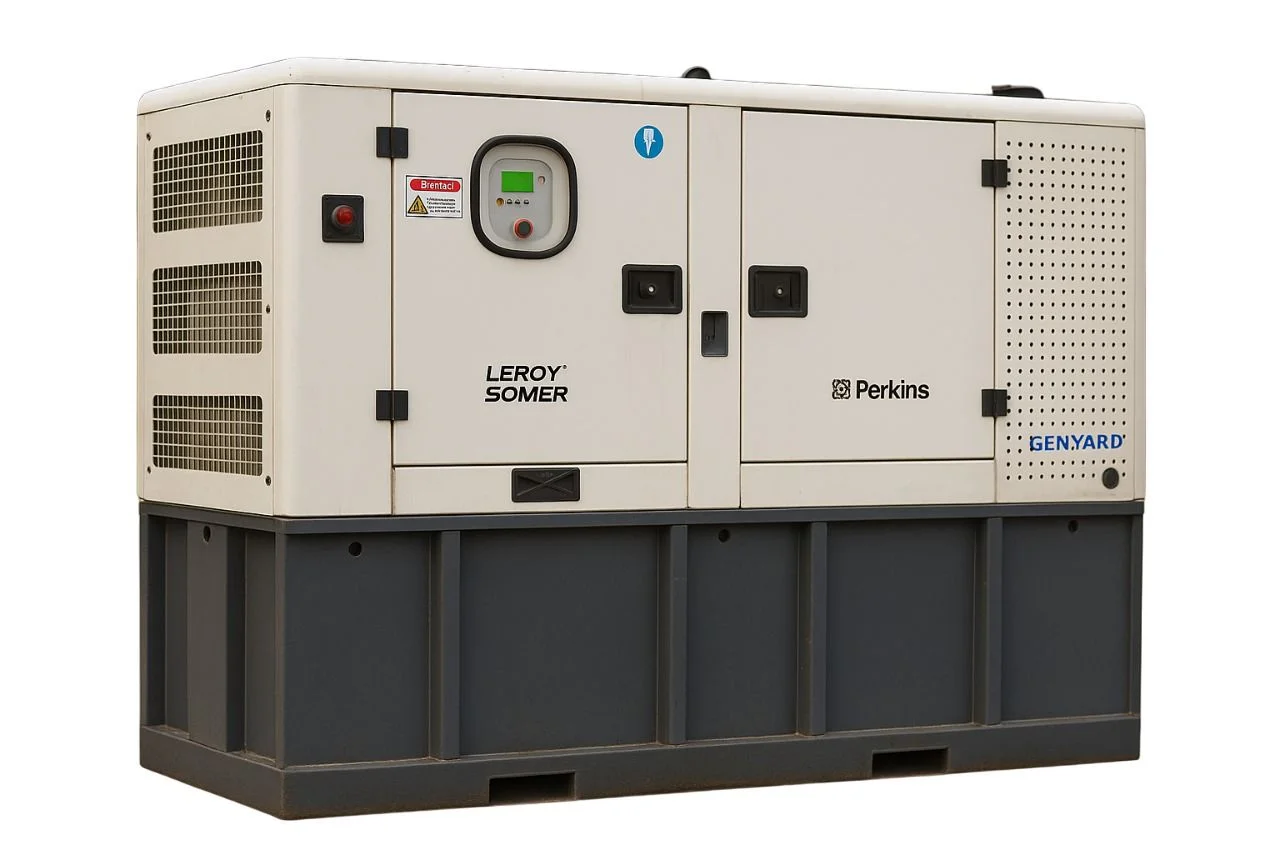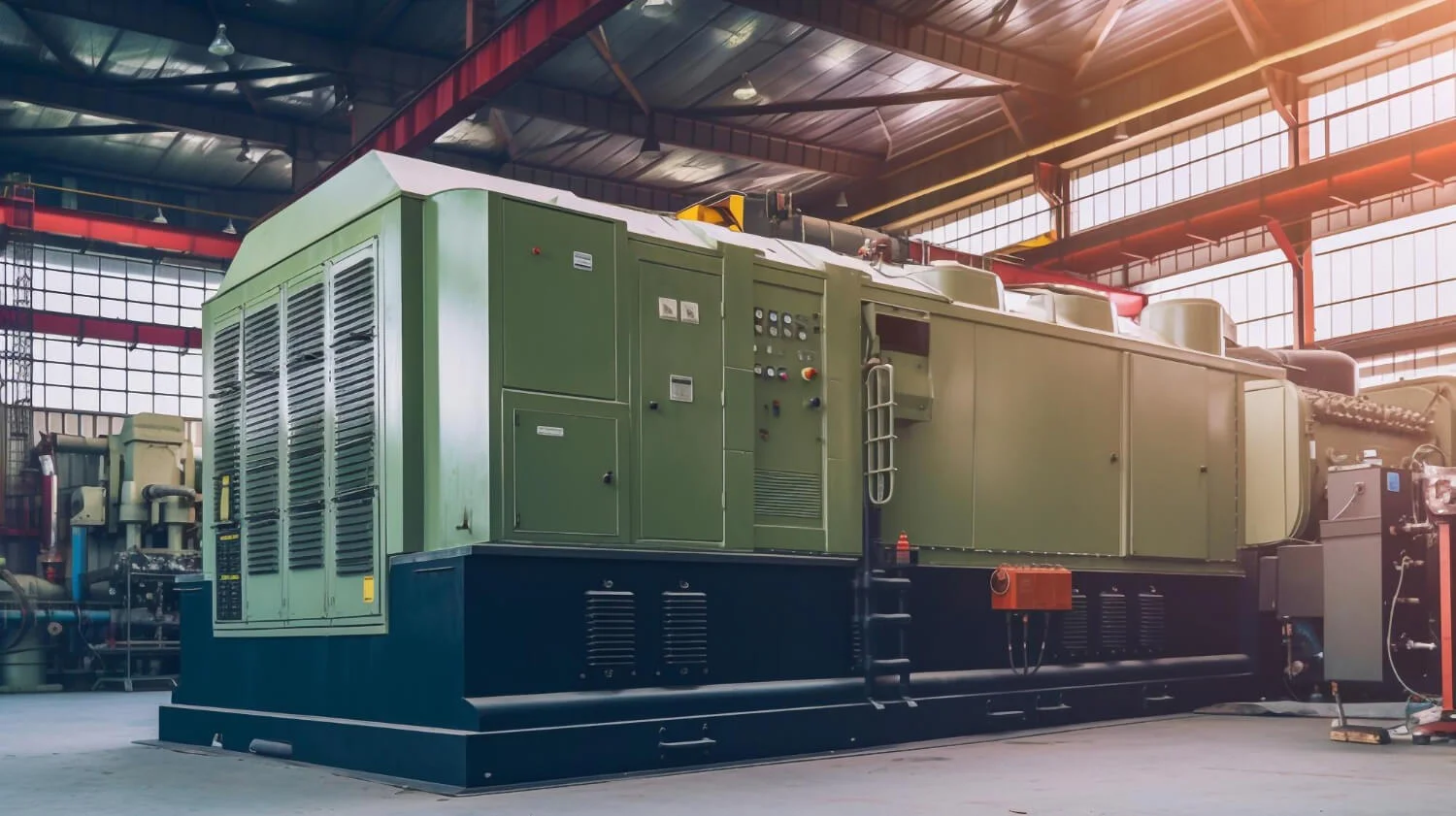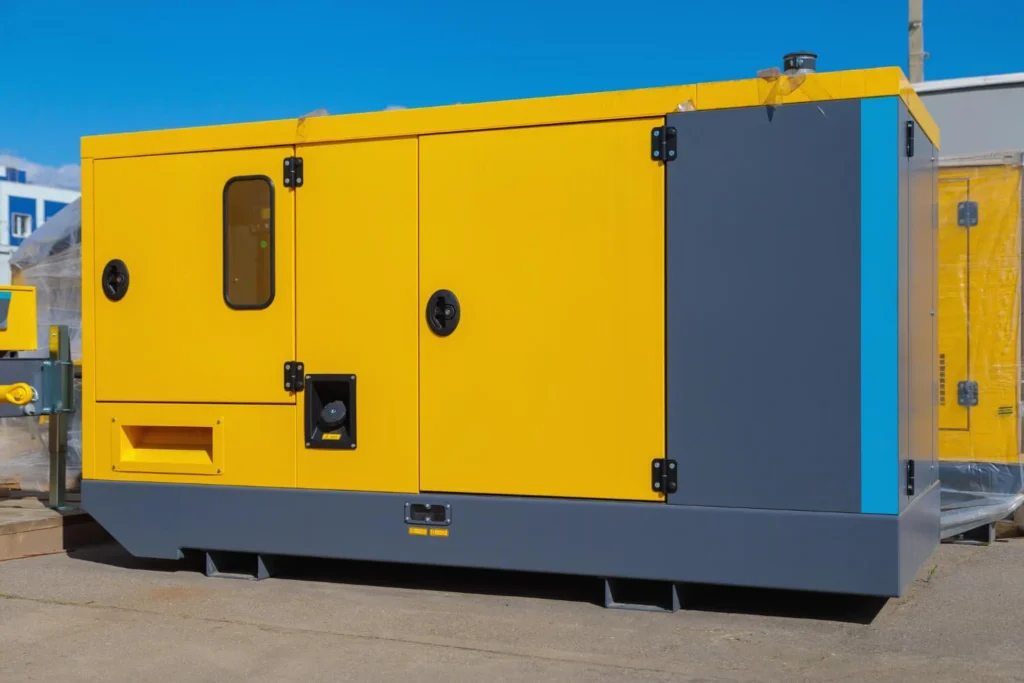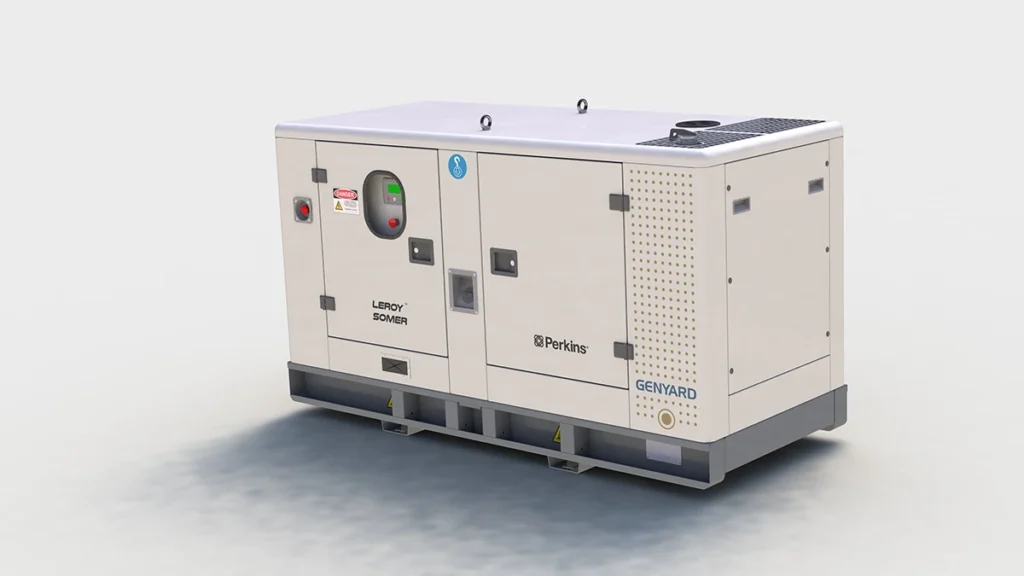
Installing a generator for an industrial project in the UAE is a careful and methodical process which requires technical know-how and compliance with safety requirements. A dependable generator can help maintain power in manufacturing facilities, construction sites, warehouses, commercial buildings, and oil and gas installations. Site preparation, electrical connections, ventilation, fuel storage, noise control and maintenance are also important for reliable operation.
1. Select Appropriate Generator Size
The first step is to know the amount of power that your facility requires. Electrical loads consist of industrial equipment, motors, lights, cooling systems and emergency systems. An undersized generator may not handle the maximum load, while an oversized generator can increase fuel and operating costs. Consider standby/continuous power requirements, essential equipment, future expansion and generator starting currents.
2. Prepare the Installation Site
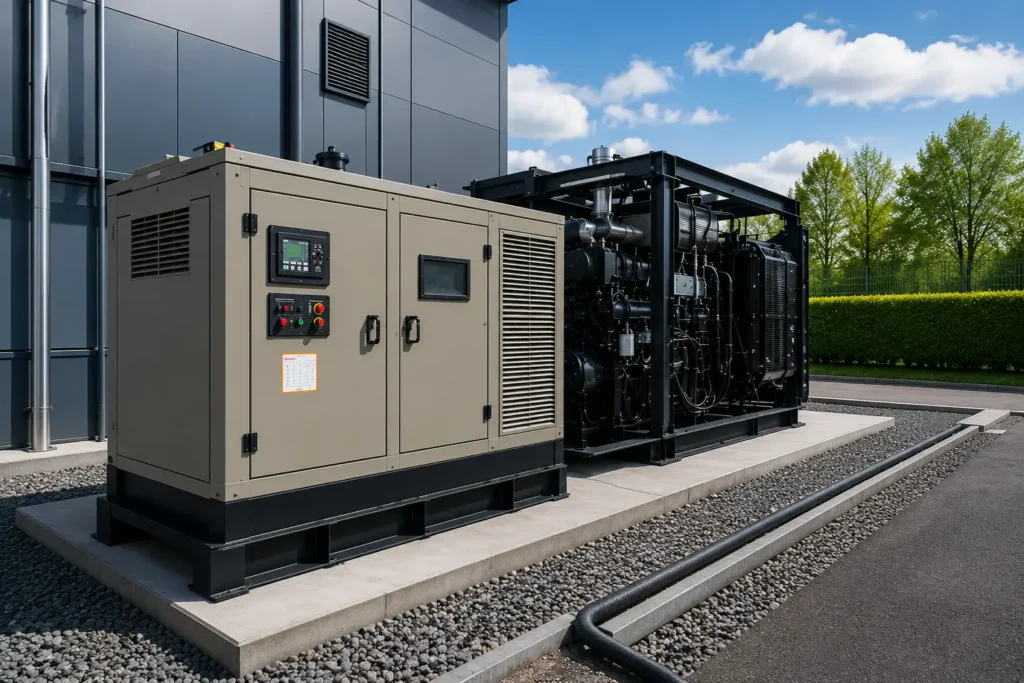
For safe and reliable service, a proper installation site is critical. The generator should be placed on a flat foundation that can withstand its weight and vibrations. There must be adequate clearance for inspection, maintenance and component replacement, with safe access for technicians and lifting equipment. High ambient temperatures, dust and sandstorms can impact generator performance in the UAE, so appropriate enclosures, adequate cooling and accessible air filters should be considered.
3. Provide Adequate Ventilation and Cooling
Generators produce a lot of heat during operation. If ventilation is insufficient, engine temperatures can increase and may cause equipment damage. Engine combustion and radiator cooling require adequate airflow. Exhaust gases should be vented away from air inlets and occupied areas. In enclosed generator rooms, ventilation sizing should follow the manufacturer’s guidelines and room design, with special consideration for the UAE’s high ambient temperatures.
4. Comply with Electrical and Safety Requirements
Installation should be performed by qualified personnel. Equipment must be appropriately rated for the generator’s output voltage, current and fault level. Cables, circuit breakers, earthing and electrical protection should be part of the design. An automatic transfer switch (ATS) can transfer designated loads between the utility supply and generator where required. The system must prevent unsafe back-feeding into the utility. Approvals or inspections by the relevant utility, municipality, Civil Defence or other authorities may be required depending on the emirate and project type.
5. Fuel Storage and Fire Protection
Fuel tanks should be sized for the generator’s required operating hours and located in an approved area. Important considerations include proper spill containment, safe clearance from ignition sources, accessible emergency shut-off arrangements where required, appropriate fire detection and firefighting equipment, safe refueling practices and regular leak checks. Fuel tank size and installation should follow applicable authority and project requirements.
6. Control Noise, Vibration and Exhaust Emissions
Noise and vibration from industrial generators can affect employees, adjacent facilities and equipment. These effects can be minimized with acoustic enclosures, silencers and anti-vibration mounts. Exhaust gases must be discharged safely away from ventilation intakes and occupied areas. To avoid excessive back pressure, exhaust pipe sizing and routing should follow the manufacturer’s instructions. Applicable noise, emissions and environmental requirements should also be considered.
7. Complete Testing and Commissioning
Qualified technicians should inspect the installation before the generator is placed in regular service to ensure it functions as designed. Commissioning typically includes checks of fuel, lubrication, coolant and battery systems; electrical connections, earthing and protection devices; automatic/manual changeover operation; cooling airflow and exhaust; load tests as required; and alarms, shutdown systems and safety devices. Commissioning records, operating instructions and maintenance schedules should be provided to the customer.
8. Deal with an Experienced Generator Provider
A reliable generator supplier should be able to provide technical configuration, installation details, warranty information, genuine spare parts, and after-sales support. A technically qualified and experienced team with relevant industrial expertise, along with the availability of local service support, is equally important.
Conclusion
Reliable generator installation requires correct sizing, site preparation, ventilation, electrical protection, fuel safety, noise control and commissioning. Applicable local requirements should be checked for each project.