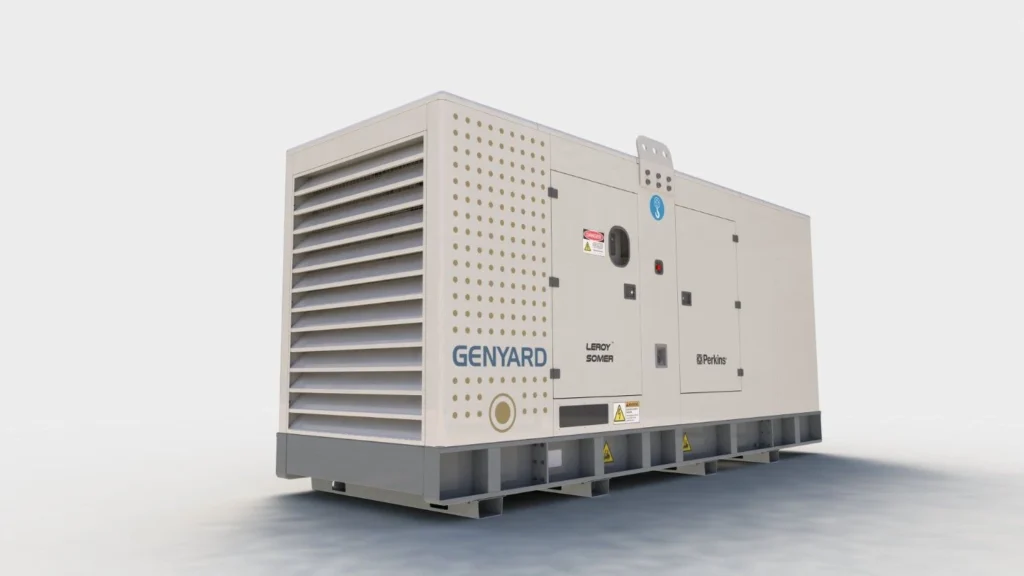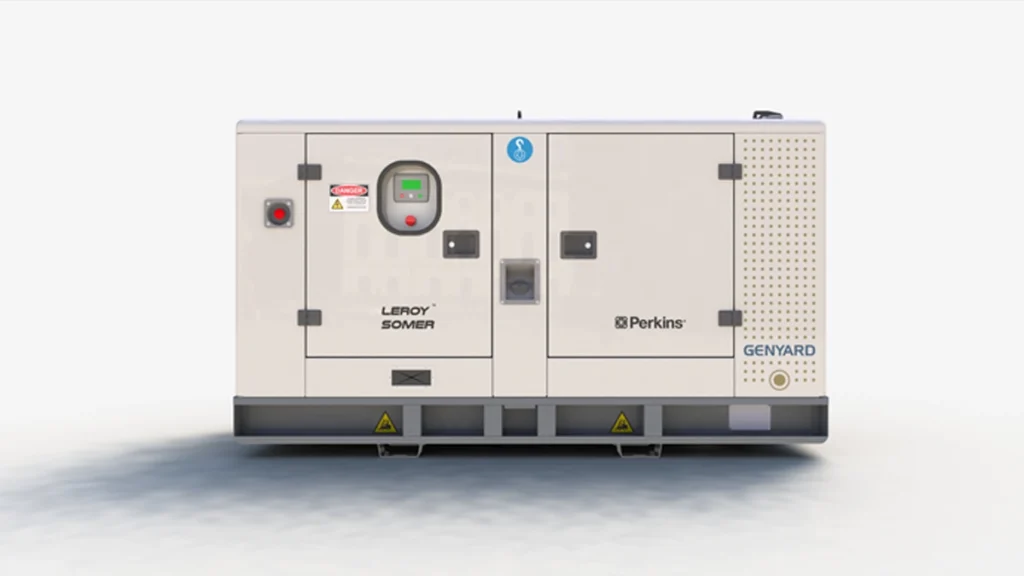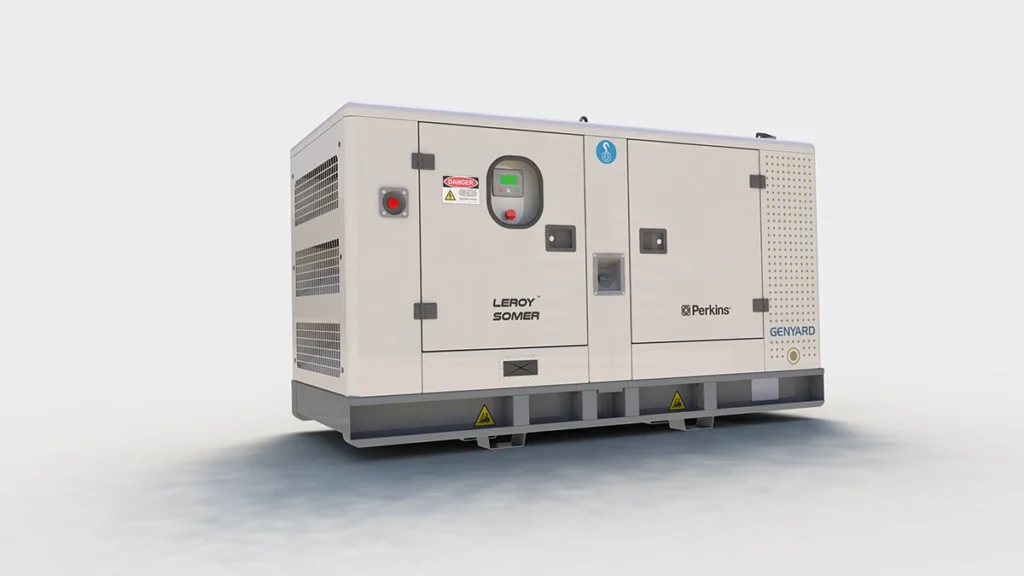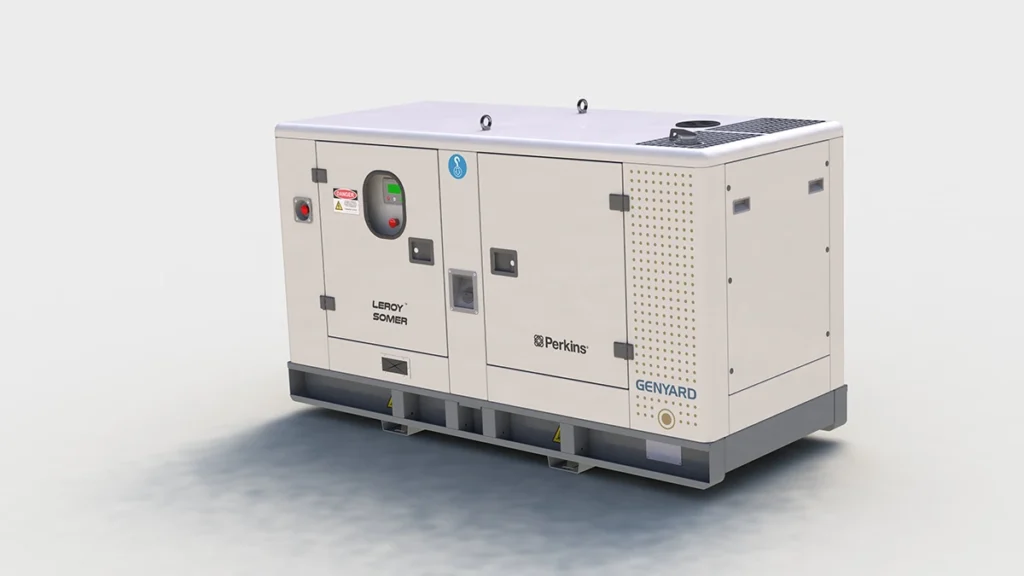
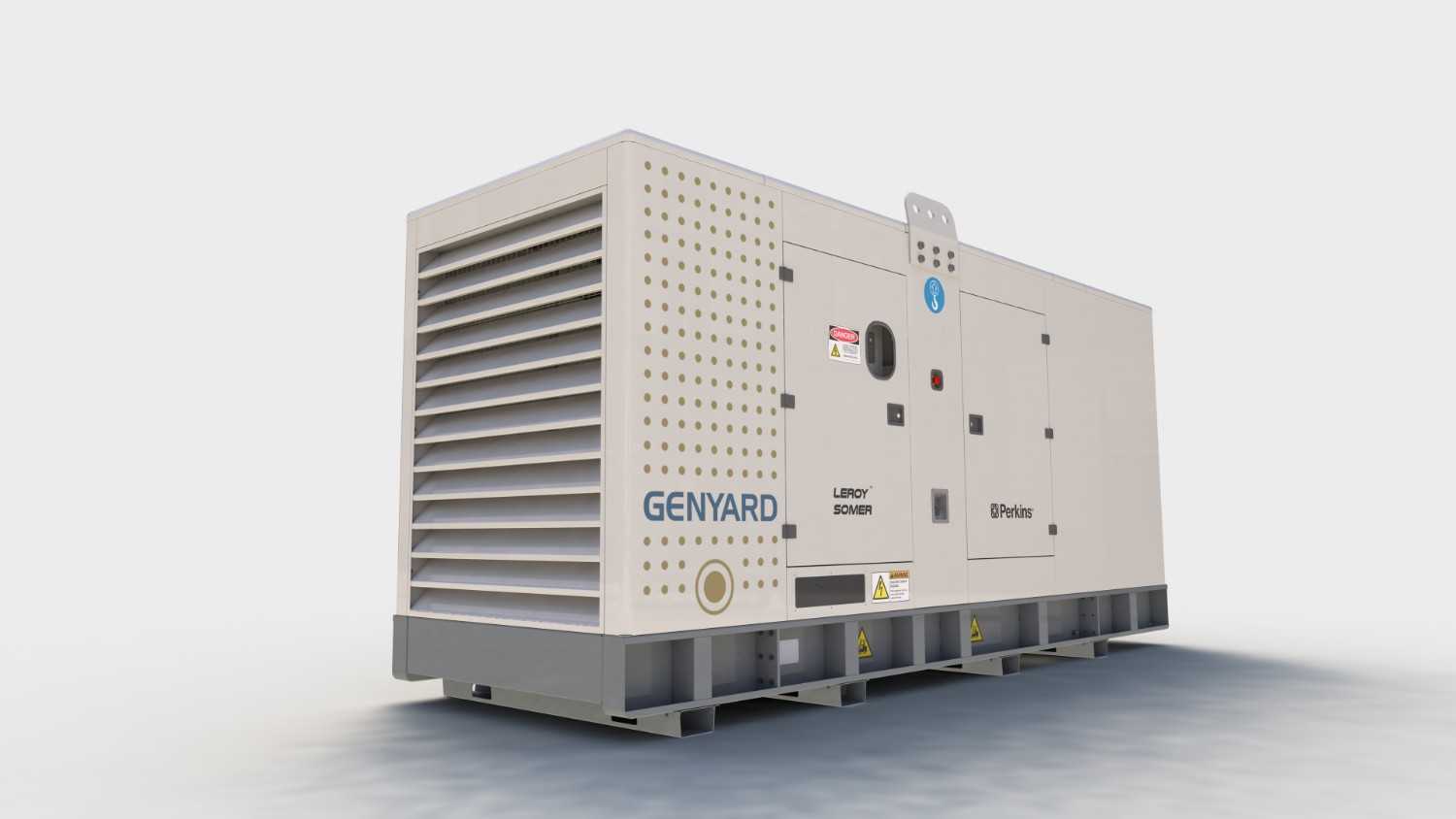
In today’s hyper-connected world, telecommunications networks must deliver uninterrupted service, rain or shine, blackout or brownout. As the expectations for always-on connectivity continue to soar, telecom operators face intense pressure to build infrastructure that withstands every power challenge. This is where telecom generators step in, acting as both shield and lifeline for modern communications.
The Critical Need for Generators in Telecom
Telecom facilities, from massive data centers to isolated cell towers on mountain tops, cannot afford a single minute of downtime. Whether facilitating emergency calls, broadcasting vital news, or keeping businesses connected, even momentary power loss translates to significant risk—and often, financial loss. Backup generators provide peace of mind by bridging the gap when utility power falters, ensuring that essential telecom systems run without interruption.
Generators automatically engage when electrical grids fail, delivering seamless transitions that keep networks live.
● Reliable backup power prevents call drops, data loss, and helps maintain customer trust and loyalty.
● For remote or rural installations, generators are not merely backup—they often serve as the primary source of power, enabling coverage where grid access is unreliable or absent.
Types of Telecom Generators: Diesel, DC, and Hybrid Solutions
Telecommunications equipment is highly sensitive, demanding a power source that is both stable and flexible. The generator market for telecom businesses now includes:
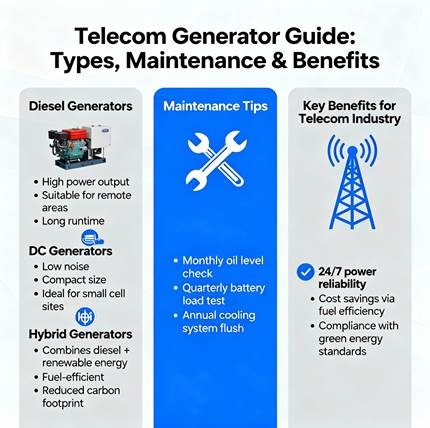
Diesel Generators
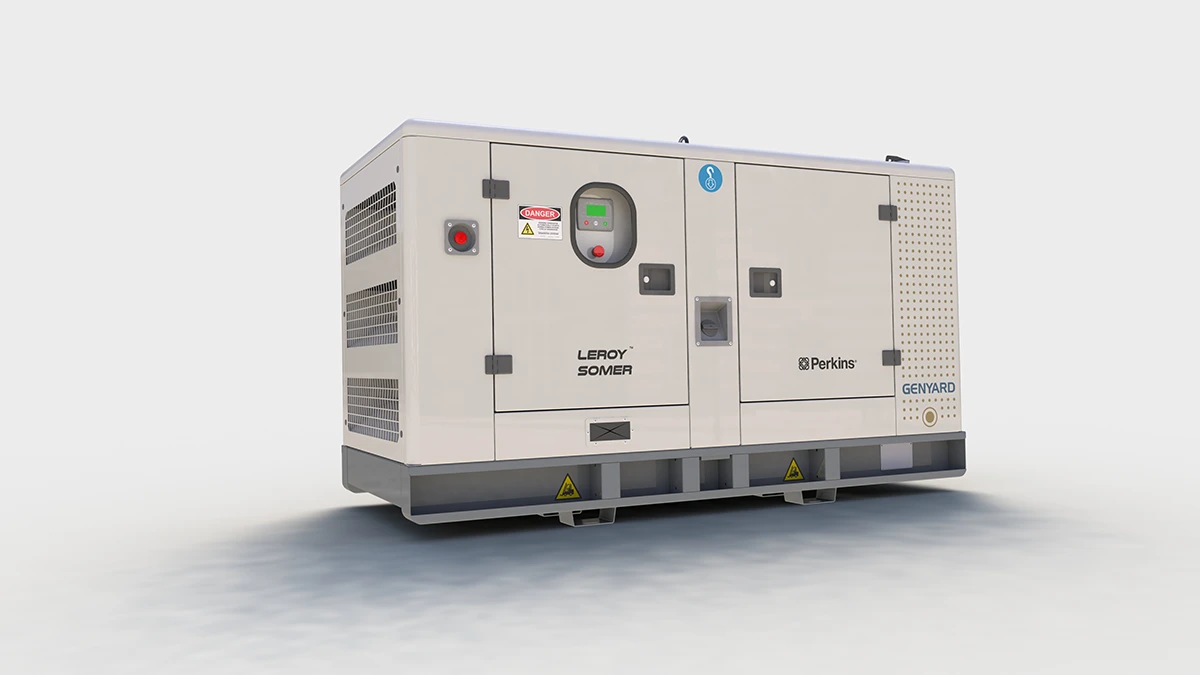
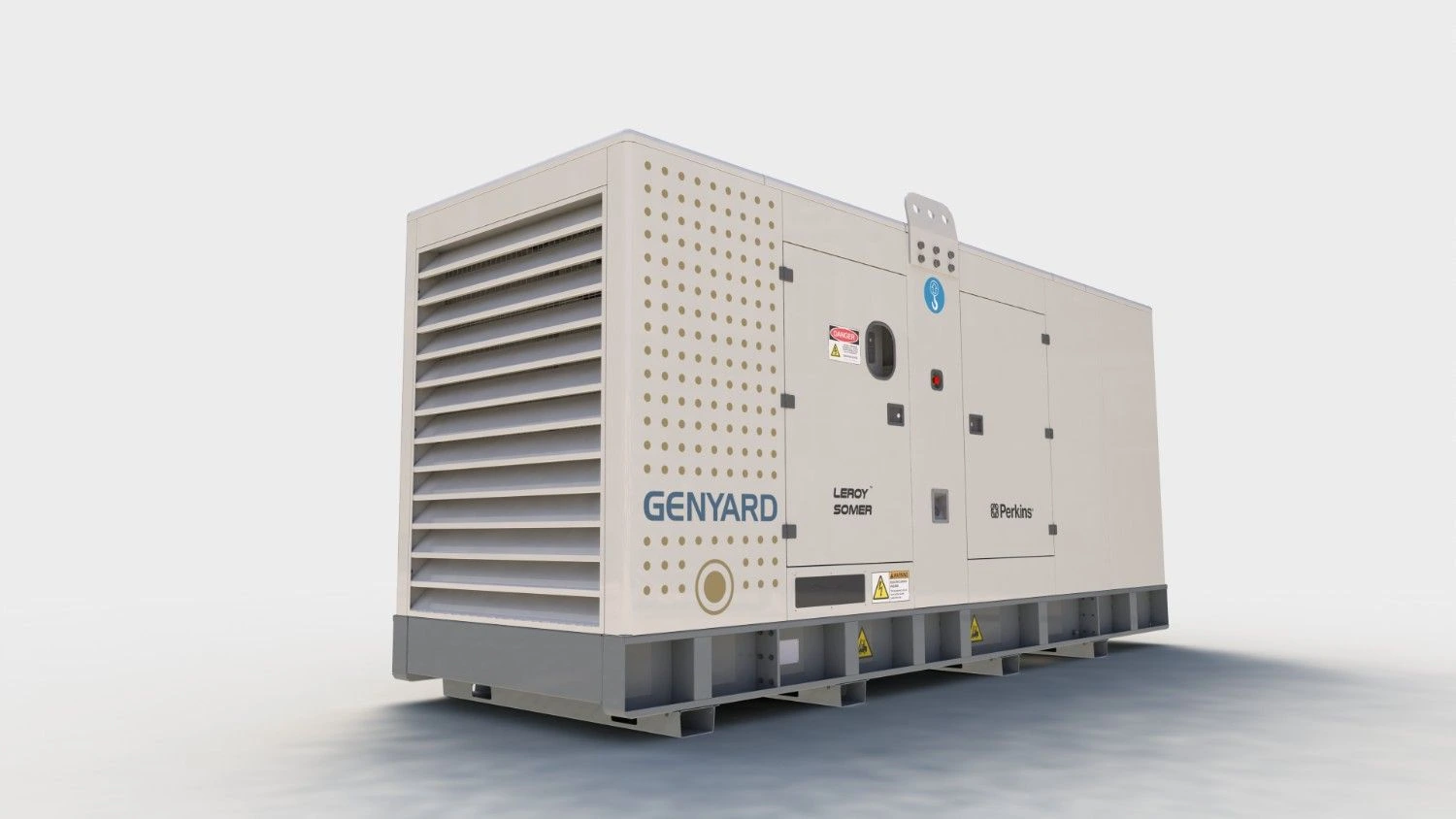
The classic choice for rugged reliability and cost effectiveness. Diesel generators suit sites that need high autonomy and simple fuel logistics. Equipped with Automatic Transfer Switches (ATS) and engineered for rapid startup, they form the backbone of many modern telecom deployments.
DC Generators
Increasingly popular for direct battery charging and hybrid sites, DC generators reduce conversion losses by delivering power in the required format, improving efficiency, and prolonging battery life. They are especially well suited for remote areas or hybrid solar setups, minimizing fuel costs and maintenance.
Hybrid Generators
Blending traditional diesel or gas generation with solar and battery storage, hybrid solutions maximize fuel savings and environmental sustainability. Smart controllers balance loads, switching between energy sources to optimize uptime and minimize emissions.
Engineering Reliability: Features that Matter
Not all backup generators are equal—telecom requirements drive a special set of features:
● ATS Panels: For automatic, hands-off switching during voltage drops or outages.
● Remote Monitoring: Real-time controls and alerts keep dispersed networks manageable from a centralized NOC.
● Soundproofing & Compact Design: For deployments near urban or residential zones, low-noise, weatherproof cabinets are essential.
● Extended Runtime Tanks & Efficient Fuel Management: Ensuring prolonged operation during major outages.
● Compatibility with UPS and Redundancy Systems: Supporting failover strategies and equipment protection.
Generator Sizing, Site Preparation, and Installation
Choosing the right generator goes far beyond simple kVA calculations. Telecom professionals must consider:
● Continuous equipment loads vs. surge requirements
● Redundancy and N+1 configuration needs for Tier III/IV facilities
● Future expansion potential and space limitations
● Climate, altitude, fuel storage, and local regulatory criteria
Proper site preparation is vital—stable ground, good drainage, secure access, fire safety planning, and integration with electrical panels/fuel sources lead to long-term reliability.
Maintenance: The Key to Long-Term Performance
A disciplined maintenance program can mean the difference between flawless uptime and costly outages. Leading telecom generator guidelines recommend:
Daily/Weekly:
● Visual checks for leaks, wear, and damage
● Verify fuel levels, oil, and coolant
● Inspect control panels for warning lights or unusual readings
Monthly:
● Test run under load to catch performance issues early
● Inspect air and fuel filters, replace as needed
Quarterly/Semi-Annual:
● Check battery condition and charge
● Inspect belts, hoses, exhaust, and connections
● Calibrate and test sensors and safety equipment
Annual:
● Full load bank tests to verify operational capacity
● Complete fluid changes and filter replacements
● Deep inspection of fuel tanks/lines for contamination
● Review and update all maintenance logs for compliance
Use only genuine manufacturer parts—compatibility and reliability matter, as does warranty protection. Keep detailed records to prove regulatory compliance and facilitate efficient troubleshooting.
Efficiency and Sustainability: The Role of Hybrid and DC Solutions
Telecom businesses are under growing pressure to control costs and meet sustainability goals. Upgrading equipment, deploying hybrid solar-diesel systems, and using DC gensets enable:
● Reduced fuel consumption for lower operating costs
● Lower carbon footprint for ESG/CSR targets
● Reliable off-grid coverage with minimal maintenance
Top Benefits to Telecom Operators
Here are the key advantages that telecom generators deliver to operators:
● Uninterrupted Connectivity: No downtime, means customers stay online and satisfied.
● Enhanced Network Reliability: Supports critical telecom assets through every emergency.
● Business Continuity: Robust backup prevents loss of revenue and reputation.
● Compliance and Future-Proofing: Keeps companies ahead of regulatory demands and technology shifts.
● Cost Savings: Reduces expensive emergency repairs and ensures predictability in OPEX.
Conclusion: The Telecom Sector’s Silent Hero
Telecom generators are more than just industrial hardware—they are silent heroes that keep the world connected when the lights go out. By investing in robust, reliable, and well-maintained power backup systems, telecom operators guarantee uptime, customer satisfaction, and industry compliance. For companies balancing efficiency and resilience, telecom generators represent the cornerstone of uninterrupted service and future-ready networks.
The best telecom operators know: when everything is on the line, there’s no substitute for power you can count on.
FAQs: Telecom Generator
Begin with a detailed power audit—calculate the total load, future growth, redundancy needs, and surge requirements; consult with an expert for complex or multi-site deployments.
Adopt a daily, weekly, monthly, quarterly, and annual checklist—running tests and regular inspections can significantly extend the life of your generator.
Yes—modern hybrid solutions combine generator, battery storage, and solar for maximum uptime and fuel efficiency.
For many applications, yes. Direct DC power supplies are highly efficient for battery-centered networks and off-grid towers, lowering upkeep costs.